
 |
|
 |
|
 |
|
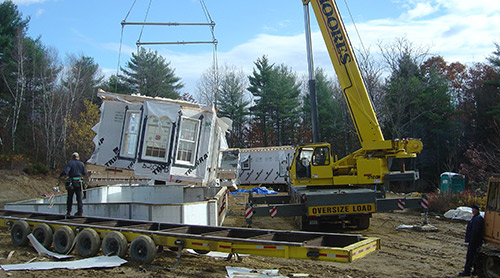
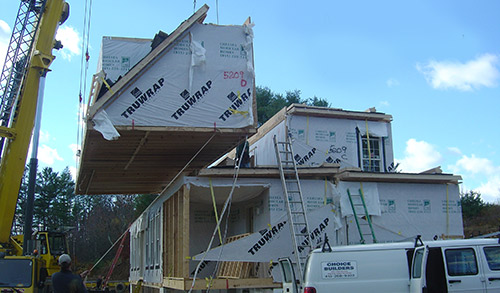
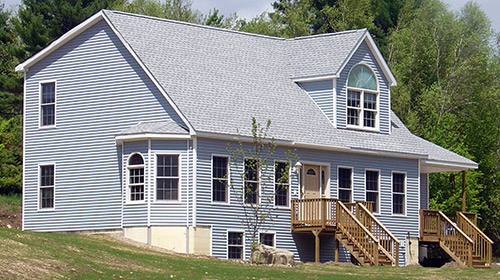
Modular construction is a process in which a building is constructed off-site, under controlled plant conditions, using the same materials and designing to the same codes and standards as conventionally built homes – but in about half the time. Buildings are produced in “modules” that when put together on site, reflect the identical design intent and specifications of the most sophisticated site-built facility – without compromise.
Benefits of Modular Construction
- Structurally superior, each modules is transported up to 500 miles, going 65miles per hour creating hurricane conditions, picked up with a crane at two points being set the sheetrock has minimal cracks
- Better construction quality since built in a factory with strong quality control
- Reduced construction time
- Strong purchasing power for products
Risks of Modular Construction
- Limited choice in fixtures
- Not all designs can be built cost effectively with modular construction
- What you eliminate from their package does not equal what it will cost to purchase what you want
- If foundation is not perfect it will cause issues
- Certain sites are not workable with modulars
How to make it qualify for Energy Star
- Rigid insulation on the exterior to stop thermal bridging
- Blown in insulation on the interior cavities of the exterior walls
- ICF or SIPS foundation
- Increase U value of windows
Here are a few of our suppliers:




 Tortorice's Tips are written and republished by Bob Tortorice, our owner and head contractor. Bob Tortorice has more than 35 years of experience in residential and commercial construction and shares his knowledge through his monthly article.